


George Foreman Grill: The Complete Guide to Buying, Using, and Loving This Kitchen Classic
Few kitchen gadgets have earned a place in popular culture the way this one has. Whether you remember seeing it in a college dorm, on your parents’ counter, or in a late-night infomercial, the sizzling, hinged cooker with its slanted plates has been feeding people quickly and simply for decades. It never tried to be fancy. It promised hot, juicy food in minutes with less grease, and for millions of households, it delivered exactly that.
If you are thinking about buying a george foreman grill, or you already own one that has been hiding in a cabinet, this guide is for you. We will walk through how the appliance works, how to choose the right size and style, and how to cook everything from chicken breasts to grilled peaches without turning your dinner into shoe leather. We will also cover cleaning, safety, common mistakes, and whether the grill is still worth your money in a world full of air fryers and multicookers.
Think of this as a friendly conversation with someone who has burned a few burgers so you do not have to. By the end, you will know how to get restaurant-style grill marks, how to keep lean meat tender, and how to make cleanup so painless that you will actually want to use the thing. Let’s get into it.
The Story Behind the Famous Lean, Mean Cooking Machine
The origin of this appliance is a little more interesting than most people realize. The original design came from an inventor named Michael Boehm, who wanted a way to cook meat indoors that would let the fat drain away instead of pooling around the food. The idea was simple but clever: tilt the cooking surface so grease slides down into a tray, and close a lid on top so the food cooks from both sides at once. A company called Salton picked up the concept and launched it in the mid-1990s, and then came the stroke of marketing genius that changed everything.
The company signed up a former heavyweight boxing champion as its spokesman. He was big, warm, funny, and completely believable when he talked about cooking a burger with less fat. His friendly personality turned a plain countertop appliance into a household name. Sales climbed into the tens of millions of units, and the grill became one of the best-selling kitchen products of its era. The famous “lean, mean, fat-reducing grilling machine” tagline stuck so firmly in the public imagination that people still repeat it today, often with a grin.
What makes the story stick is how well the product matched its message. Plenty of gadgets are sold on big promises and then vanish into the back of a closet. This one stayed because it solved a real problem: busy people wanted a hot meal without hauling out a charcoal grill, scrubbing a skillet, or waiting forty minutes for an oven to heat up. It was fast, forgiving, and cheap, and those three qualities never go out of style.
How a George Foreman Grill Actually Works
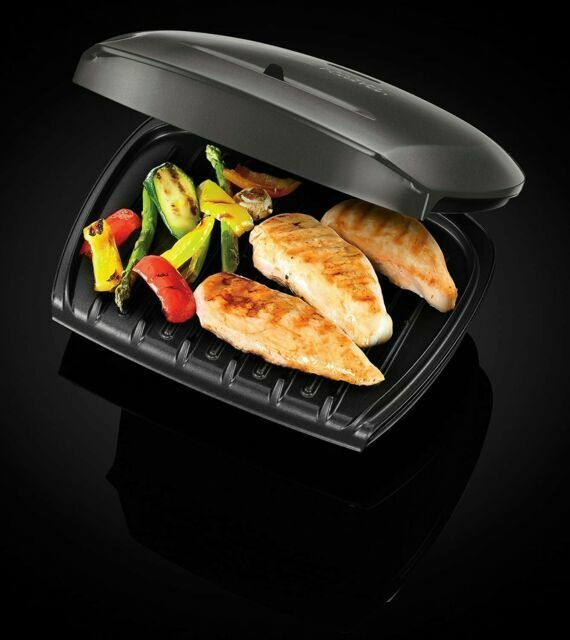
At its core, a george foreman grill is a pair of heated plates hinged together like a clamshell. Electric heating elements sit underneath each plate, and when you plug the unit in, both surfaces warm up evenly. Because the lid presses down on top of your food, heat reaches both sides at the same time. That is why a chicken breast that might take twelve minutes in a pan can finish in about six or seven here, with no flipping required.
The slanted design is the part that gives the appliance its personality. The plates are angled toward the front, so as meat heats up and the fat renders out, it runs down the grooves and into a small drip tray. You are not magically deleting the fat from your food, but you are giving it somewhere to go instead of letting your meal sit in it. The ridges on the plates also create those classic sear lines, which add a little visual appeal and a touch of caramelized flavor.
Another detail worth understanding is the floating hinge on many models. This feature lets the top plate rise and settle on thicker foods so the pressure stays even. A thin slice of zucchini and a plump chicken breast both make good contact, which means more consistent browning. Once you grasp these three ideas, which are two-sided heat, a sloped surface, and a floating lid, you understand why the Foreman grill behaves the way it does, and you can adapt your cooking to take advantage of each one.
Choosing the Right Size for Your Household
Size is the first decision you will face, and it matters more than most shoppers expect. Compact models designed for one or two servings are perfect for a dorm room, a small apartment, or a solo cook who wants a quick lunch. They heat up fast, they tuck neatly into a cupboard, and they use very little counter space. The tradeoff is that you will be cooking in batches the moment a third person shows up for dinner.
Mid-sized units that handle four or five servings are the sweet spot for most families. They offer enough surface area to cook a pair of burgers and a handful of vegetables at once without crowding. Larger models stretch up to nine servings or more, which can feed a small party, but they also take up serious real estate and require a bigger plan for washing the plates. If you regularly cook for a crowd, the extra size will earn its keep. If not, it will mostly collect dust.
A good rule is to buy for your typical night, not your biggest night. If you usually cook for two or three people, a medium grill is plenty, and you can always cook a second round when guests visit. Overbuying leads to a bulky appliance you dread hauling out, while a right-sized one stays on the counter and gets used. Also consider where you will store it. Measure your cabinet or shelf before you commit, because a grill that does not fit is a grill that never gets used.
Comparing the Most Popular Styles and Features
Over the years, the brand has grown from one basic cooker into a whole family of products. Some have fixed plates, some have plates you can pop out for washing, and some add features like adjustable temperature dials, digital timers, or open-top designs that let you cook like a griddle. The right choice depends on what you cook, how much cleaning you are willing to do, and how much control you want.
The table below sums up the main styles so you can compare them at a glance.
| Style | Typical Capacity | Plate Type | Best For | Cleaning Effort |
|---|---|---|---|---|
| Classic compact | 2 servings | Fixed, nonstick | Solo cooks, dorms, small kitchens | Moderate, wipe down while warm |
| Family-size | 4 to 6 servings | Fixed or removable | Weeknight dinners for a household | Easy with removable plates |
| Large entertainer | 9 or more servings | Usually removable | Gatherings and meal prep | Easy, but plates are bulky |
| Adjustable temperature | 4 to 6 servings | Removable | Delicate fish, veggies, and thick steaks | Easy, dishwasher-friendly in many cases |
| Grill and griddle combo | 5 or more servings | Interchangeable | Breakfast foods plus grilling | Moderate, more parts to wash |
| Indoor and outdoor | Large, with stand | Removable | Patios, balconies, and tailgating | Moderate, depends on weather exposure |
If you cook mostly meat and you value speed above all, a classic model will serve you well. If you like variety, such as pancakes on Saturday and salmon on Sunday, a combo unit with interchangeable plates is worth the extra money. Temperature control is a feature that many experienced users come to prefer, since it lets you drop the heat for fish or raise it for a hard sear on a steak. Removable plates are, in my opinion, the single most valuable upgrade for anyone who hates scrubbing, because they can go straight into the sink or dishwasher.
Getting Started: Seasoning, Preheating, and Your First Cook
Before you cook anything, give the grill a proper welcome. Wipe the plates with a damp cloth to remove any factory residue, dry them, and brush on a very thin coat of cooking oil. Some manufacturers suggest running the unit empty for a few minutes the first time so any manufacturing smell burns off. Do not be alarmed if you notice a faint odor or a wisp of vapor during that first heat-up. It usually fades quickly and does not return.
Preheating is the habit that separates good results from soggy ones. Close the lid, plug the unit in, and wait until the indicator light tells you it has reached temperature, which usually takes about five minutes. Putting food on a cold surface causes it to steam rather than sear, and you lose those lovely grill marks along with a good portion of the flavor. A properly heated plate sizzles the instant the food touches it, and that sound is the cue that you are on the right track.
For your first meal, pick something forgiving. A thin-cut chicken breast, a few sausages, or sliced bell peppers are all easy wins. Lightly oil the food rather than the plates, season it well, lay it down, and close the lid. Resist the urge to peek every thirty seconds. Opening the lid releases heat and slows everything down, so give it a few minutes and then check. A little patience in the beginning teaches you how your particular model behaves, and every unit has its own quirks, such as hot spots near the hinge or a cooler zone at the front edge.
Cooking Chicken That Stays Juicy and Flavorful
Chicken breast is the food most people cook first, and it is also the one most likely to go wrong. Lean white meat dries out quickly, and a hot, closed grill can turn it chalky in a flash if you are not careful. The secret is to make the meat an even thickness before it ever touches the heat. Place a breast between two sheets of plastic wrap or parchment paper and gently pound the thickest part until the whole piece is roughly the same height. Evenly thick chicken cooks evenly, which means the thin end does not turn to leather while the thick end catches up.
Marinades make a bigger difference than you might think. A simple blend of olive oil, lemon juice, garlic, and a pinch of paprika adds moisture and flavor, and even thirty minutes in the fridge helps. Yogurt-based marinades are especially good because the mild acidity tenderizes the meat without making it mushy. Pat the surface dry before cooking so it browns instead of steaming, and aim for an internal temperature of 165 degrees Fahrenheit. A cheap instant-read thermometer is the best tool you can own for this job, and it removes all the guesswork.
Chicken thighs are even more forgiving than breasts, thanks to their extra fat, and they work beautifully on a george foreman grill because the sloped plates drain away the excess grease while leaving the meat succulent. Boneless, skinless thighs usually need a few extra minutes compared to breasts. Once the chicken is done, let it rest on a plate for about five minutes. As the old kitchen wisdom goes, “Cook it hot, rest it well, and slice it last.” That short rest lets the juices settle back into the meat instead of running onto your cutting board.
Burgers, Steaks, and Pork Chops Without the Guesswork
Burgers are where this appliance truly shines. The clamshell design cooks the patty from both sides at once, so you get a cooked-through burger in about five to seven minutes, depending on thickness. Form your patties a bit wider than your bun, because they shrink as they cook, and press a shallow dimple into the center with your thumb so they stay flat. For flavor and juiciness, choose ground beef with around twenty percent fat. The sloped plates will drain a good portion of it away anyway, so you still end up with a satisfying burger that is not swimming in grease.
Steak takes a little more care. Thin cuts like flank, skirt, or sirloin tips are ideal because they fit snugly and cook quickly. Thick ribeyes and strip steaks can work too, especially on models with adjustable temperature, but you will want to keep an eye on them. Season generously with salt and pepper, let the meat sit at room temperature for twenty minutes, and use high heat for a short time. Because the lid presses down, steaks cook faster than you expect, so check early and often. Medium-rare typically lands around 130 to 135 degrees Fahrenheit.
Pork chops are another weeknight favorite. Boneless chops about three-quarters of an inch thick usually cook in six to eight minutes and benefit from a simple brine or a rub of brown sugar, garlic powder, and smoked paprika. As a friendly reminder, “Pat it dry, season it well, and leave it alone” is a rule that works for nearly every cut of meat. Moving food around constantly prevents browning, and the closed lid already does most of the work for you. Let everything rest briefly before serving, and you will be rewarded with tender, flavorful results.
Fish and Seafood on the Grill
Fish has a reputation for being tricky, and on an open flame it certainly can be, but a closed-lid electric cooker takes much of the stress out of it. Firm, meaty fish like salmon, tuna, swordfish, and mahi-mahi hold together nicely and cook in just a few minutes. Delicate varieties such as tilapia or cod are doable too, but they need a gentler hand and a well-oiled surface so they do not stick or fall apart when you lift them.
The key to success is moderate heat and short timing. If your model has a temperature dial, set it to medium for fish rather than high. Salmon fillets about an inch thick usually need four to six minutes, and you can tell they are done when the flesh turns opaque and flakes easily with a fork. Pat the fish dry, brush it lightly with oil, and season simply with salt, pepper, and a squeeze of lemon. Fancy sauces can wait until the end, since sugary glazes tend to burn and stick on hot plates.
Shrimp and scallops are fantastic candidates as well. Large shrimp turn pink and curl within two to four minutes, so thread them onto skewers or lay them in a single layer and keep a close eye on the clock. Overcooked shrimp turn rubbery, and that is a very easy mistake to make. Scallops need a very dry surface to get a golden crust, so blot them with a paper towel before they hit the plates. A little garlic butter spooned over the top right after cooking adds richness without extra mess, and the whole meal comes together in the time it takes to toss a salad.
Vegetables, Fruit, and Plant-Based Favorites
Vegetables take on a whole new personality once they meet those hot ridged plates. The direct heat caramelizes natural sugars, which brings out sweetness and adds a pleasant smoky edge that steaming or boiling simply cannot match. Zucchini, yellow squash, eggplant, asparagus, bell peppers, mushrooms, and thick slices of onion all do wonderfully. Cut them into even pieces roughly a quarter to a half inch thick, toss them with a little olive oil and salt, and cook for three to six minutes depending on the variety.
Denser vegetables like sweet potatoes, carrots, and broccoli benefit from a head start. Slice sweet potatoes thin, or briefly microwave or steam them first, then finish them on the grill for color and char. This two-step approach keeps the outside from burning before the inside turns tender. Corn on the cob, by contrast, can go directly onto the plates and develops a lovely roasted flavor, though you may need to rotate it for even browning.
Do not overlook fruit and plant-based proteins. Pineapple rings, peach halves, and banana slices turn syrupy and sweet in a couple of minutes and make a fantastic dessert with a scoop of vanilla ice cream. Firm tofu, pressed to remove moisture and marinated in soy sauce and ginger, picks up beautiful grill marks and a satisfying chew. Tempeh, veggie burgers, and halloumi cheese are other great options. For vegetarians and flexitarians, the appliance proves that quick weeknight cooking does not have to revolve around meat, and the cleanup is still blessedly simple.
Breakfast, Sandwiches, and Quick Snacks
The grill earns extra points as a breakfast helper. Bacon cooks flat and crisp while the grease drains away, which means fewer splatters on your stovetop. Sausage links and patties brown evenly, and thin slices of ham warm up in a minute. If you have a model with a flat griddle plate, you can even make pancakes, French toast, and fried eggs, though a standard ridged plate works well for toasted items and sandwiches.
Speaking of sandwiches, this is where the clamshell design feels almost like cheating. A grilled cheese, a panini, a quesadilla, or a leftover-turkey melt all turn golden and crisp in about three minutes, with no flipping and no pan. Butter the outside of the bread lightly, add your fillings, close the lid gently, and let the weight of the top plate do the pressing. The ridges leave those cafe-style stripes, and the melted center stays gooey and warm.
Snack lovers can get creative too. Flour tortillas become crisp wraps, flatbreads turn into quick pizzas, and even hot dogs and bratwurst develop a snappy char in a few minutes. Late-night cravings and after-school hunger are no match for how fast this appliance heats up. If you have kids who are learning to cook, the simple design makes it a friendly starting point, with the usual adult supervision around hot surfaces. A few ingredients, a few minutes, and a satisfying result make it a favorite for anyone who wants food now rather than later.
Cleaning and Maintenance Made Painless
Cleanup is where many people give up on their grills, usually because they let the plates cool and the grease harden before wiping them. The easiest trick is to clean while the unit is still warm but unplugged. Place a couple of damp paper towels or a wet cloth between the plates, close the lid, and let the steam loosen any stuck-on bits for a few minutes. Then wipe everything down and empty the drip tray. Done this way, it takes less than two minutes.
For models with removable plates, the job gets even simpler. Pop the plates out once they have cooled enough to handle, wash them with warm soapy water and a soft sponge, or place them in the dishwasher if the manufacturer says it is safe. Avoid steel wool, metal utensils, and harsh abrasive cleaners, because they scratch the nonstick coating and shorten the life of the plates. A silicone or wooden spatula is a much better partner.
For stubborn residue, make a paste of baking soda and water, spread it on the affected spots, let it sit for ten or fifteen minutes, and then wipe it away with a soft cloth. Never submerge the base or the electrical housing in water, and always make sure everything is completely dry before storing. A bit of regular care keeps the surface slick, prevents lingering smells, and can extend the life of your appliance for many years. A clean grill cooks better, tastes better, and invites you to use it again tomorrow.
Common Mistakes and How to Avoid Them
The most frequent error is skipping the preheat. When food lands on a lukewarm surface, it slowly sweats and turns gray instead of searing, and you miss out on the browned flavor that makes grilled food so appealing. Close behind is overcrowding. Packing too much onto the plates traps steam, blocks heat, and creates uneven results. Cook in batches if you need to, and give each piece a little breathing room.
Another trap is cooking by time alone. Every george foreman grill runs a little differently, and thickness, starting temperature, and even the age of the heating element change how long food needs. Use a thermometer for meat, and treat recipe times as a rough guide rather than a rule. Likewise, many beginners use too much oil or sugary marinades, which smoke and stick. A light brush of oil on the food and a quick pat-dry before cooking works far better than drenching the plates.
Finally, people often forget to adjust for thickness. A paper-thin cutlet and a thick pork chop cannot cook for the same duration, even if they are side by side. Cut or pound ingredients to similar sizes so everything finishes together. Do not press down on the lid to speed things up, since the built-in weight is already doing the job, and heavy pressure can squeeze out the juices you worked so hard to keep. Avoid these few pitfalls and your meals will taste noticeably better right away.
What About the Health Angle?
One of the biggest selling points has always been the promise of lower-fat cooking, and there is real logic behind it. Because the plates are angled, rendered fat drains into the tray instead of staying beneath the food. Studies and manufacturer testing over the years have suggested that some fatty foods, like burgers and sausages, can lose a noticeable portion of their fat this way. That does not turn a cheeseburger into a salad, but it does tilt the scales in a healthier direction compared with pan-frying in oil.
It is also worth remembering that the appliance is only as healthy as what you put on it. Grilling lean proteins, fish, and plenty of vegetables will always beat grilling heavily processed meats slathered in sugary sauce. Cooking at very high temperatures can create certain compounds on charred meat, so most nutrition experts suggest avoiding heavy blackening, trimming visible fat, and using marinades with herbs and acids, which may reduce the formation of those compounds. Moderation and variety remain the best rules of thumb.
From a practical standpoint, the grill makes healthy eating easier because it makes cooking so quick and low-effort. When dinner takes ten minutes and cleanup takes two, you are less tempted to order takeout. That convenience may be the most underrated health benefit of all. If you have specific dietary needs, such as managing cholesterol or blood pressure, talk with a registered dietitian or your doctor about how to build meals that fit your goals.
Cost, Value, and How It Stacks Up Against Other Appliances
One of the grill’s lasting strengths is its price. Basic models often cost less than a nice dinner out, and even the larger, feature-packed versions are modest compared with premium air fryers or indoor smokeless grills. For a student, a renter, or anyone setting up a first kitchen, a george foreman grill offers outstanding value, since it replaces a skillet, a broiler pan, and a sandwich press in a single compact package.
Compared with an air fryer, the grill excels at searing and sandwich-making, while the air fryer wins at crisping fries and reheating leftovers. Against a cast-iron pan, the grill is faster and cleaner but lacks the deep, buttery crust a well-seasoned skillet can create. Versus an outdoor charcoal or gas grill, it will not give you real smoky flavor, but it works in any weather, anywhere you have an outlet. Each tool has its place, and many serious home cooks keep several.
Durability is another point in its favor. A well-maintained unit can last for years, and replacement plates are often available if the nonstick coating wears down. Energy use is relatively low, as most models draw around a thousand to sixteen hundred watts and heat up within minutes. When you add everything together, the price, the speed, the small footprint, and the ease of cleaning, it is no surprise that this humble cooker remains a perennial best-seller long after trendier gadgets have faded from the shelves.
Safety Tips and Smart Storage
Like any heating appliance, this one deserves a little respect. Always place it on a stable, heat-resistant surface with some open space around it, away from curtains, paper towels, and anything flammable. Keep the cord clear of the edge of the counter so nobody trips on it or tugs it, and never leave the grill running unattended. The outer surfaces, especially around the hinge and the lid, can get hot enough to cause burns, so use oven mitts or tongs when moving food.
Grease management matters as well. Empty the drip tray after every cook, and never let it overflow, since built-up fat can smoke or even ignite if it gets too hot. Use utensils made of silicone, wood, or heat-safe nylon to protect the nonstick surface, and unplug the unit as soon as you finish cooking. If the cord looks frayed or the plates are flaking badly, it is time to replace the part or the whole appliance rather than risk problems.
When it comes to storage, let the grill cool completely before putting it away. Wrap the cord loosely, since tight bends can damage the wiring over time, and store the unit in a dry spot. Many models can stand on their end to save space, which is a handy feature for small kitchens. A little attention to safety and storage means your cooker stays reliable, looks good, and is ready whenever hunger strikes.
Final Thoughts and Conclusion
After all these years, the Foreman grill still earns its spot on the counter because it does a handful of things really well. It cooks fast, it keeps cleanup simple, it helps drain away extra fat, and it turns out food with satisfying grill marks and plenty of flavor. It is not trying to replace a professional kitchen or a backyard smoker. It is a practical, friendly tool for people who want a good meal without a long list of steps.
If you take away only a few lessons from this guide, let them be these: preheat properly, keep your food an even thickness, avoid overcrowding, use a thermometer for meat, and clean the plates while they are still warm. Those habits alone will lift your results from decent to genuinely impressive. Experiment with chicken, burgers, fish, vegetables, sandwiches, and even fruit, and you will discover that the possibilities are much wider than the old infomercials ever let on.
Whether you are buying your first george foreman grill or dusting off one that has been waiting patiently in the pantry, you now have everything you need to make it work for you. Pick the right size, learn its personality, and let it handle the weeknight rush. A little curiosity and a few minutes of heat can turn an ordinary evening into a delicious one.
Frequently Asked Questions
Is a george foreman grill worth buying today?
Yes, for most people it still is. It heats quickly, uses very little counter space, costs far less than many modern appliances, and makes cleanup easy. If you cook for one to four people and enjoy simple grilled meals, sandwiches, and vegetables, it offers excellent value. If you want authentic smoky flavor or you regularly cook large cuts of meat, you may want to pair it with another cooking method.
Do I need to use oil on a Foreman grill?
Usually a small amount helps, though it is not always required. The plates have a nonstick coating, and fatty foods like burgers release their own grease. Lean foods such as chicken breast, fish, and vegetables benefit from a light brush of oil on the food itself, which promotes browning and prevents sticking. Avoid pouring oil directly on the plates, because it can smoke and leave a sticky residue.
How long does it take to cook chicken on a george foreman grill?
Boneless chicken breasts that have been pounded to an even thickness typically take about six to nine minutes, while thicker pieces or bone-in cuts can take longer. The safest method is to use an instant-read thermometer and cook until the thickest part reaches 165 degrees Fahrenheit. Let the chicken rest for a few minutes afterward so the juices redistribute and the meat stays tender.
Can I put the plates in the dishwasher?
It depends on your specific model. Many newer units come with removable plates labeled as dishwasher-safe, while older fixed-plate versions must be wiped by hand. Always check the user manual before running any part through the dishwasher, and never submerge the electrical base in water. Hand washing with a soft sponge is the gentlest option and helps the nonstick surface last longer.
What is the difference between the indoor and outdoor versions?
Indoor models are compact and designed for countertop use, while outdoor versions are typically larger, often come with a stand, and are built to handle patio or balcony cooking. Both use the same basic idea of heated plates and fat-draining slopes. If you live in an apartment where charcoal or gas grills are restricted, an electric outdoor model can be a practical compromise.
Why is my food sticking to the plates?
Sticking usually happens for one of three reasons: the grill was not fully preheated, the food was too wet, or the nonstick coating has worn down. Make sure the indicator light shows the grill is ready, pat your food dry, and apply a light coating of oil to the food. If the surface is badly scratched or peeling, replacing the plates or the unit is the best long-term fix.
Can a george foreman grill replace a regular outdoor grill?
It can cover many everyday needs, such as burgers, chicken, fish, and vegetables, especially when weather or space makes outdoor cooking inconvenient. However, it will not produce the same smoky flavor as charcoal or gas, and it cannot handle very large cuts or big gatherings as easily. Many home cooks keep both and choose based on the occasion.
Meta Description: Discover how to choose, use, and clean a George Foreman Grill, plus easy tips for juicy chicken, burgers, fish, and veggies every time.