
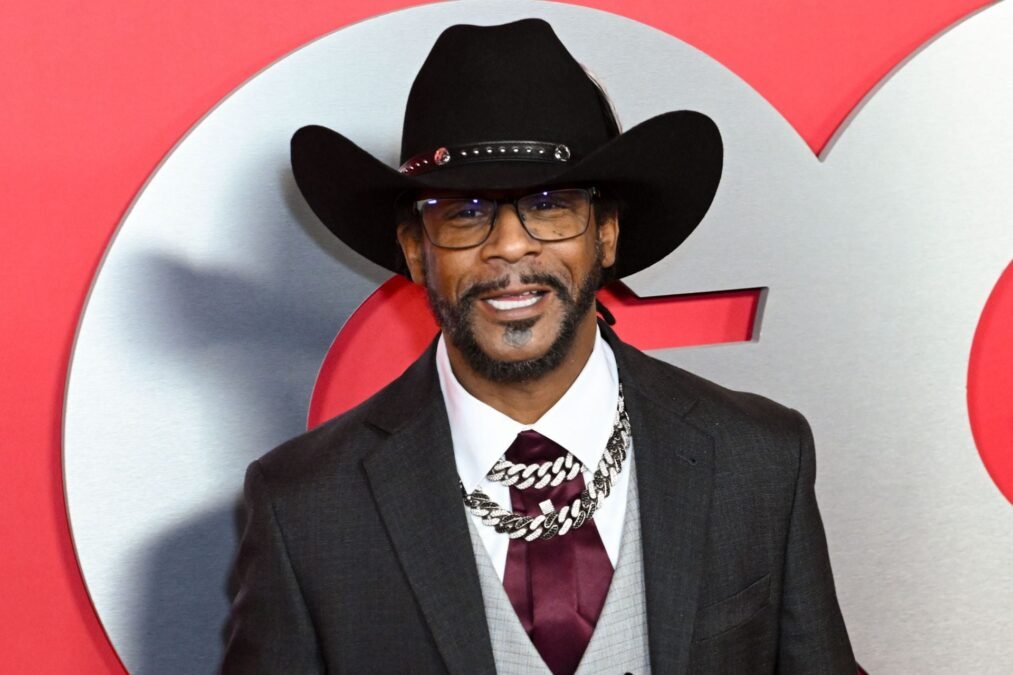

Katt Williams Net Worth: Career Earnings, Income Sources, and What the Numbers Really Mean
Few comedians have lived a career as unpredictable as Katt Williams. He has sold out theaters, vanished from the spotlight, made headlines for the wrong reasons, and then returned with one of the most talked-about interviews in recent entertainment history. That kind of roller coaster makes any attempt to calculate his wealth messy, and it is the reason so many fans keep asking how much money he really has.
This guide takes a grounded look at Katt Williams net worth, focusing on what can be reasonably understood rather than what gets repeated across the internet. Celebrity wealth figures are estimates, and in his case the published numbers are especially scattered. Some sites list a few million dollars, others claim tens of millions, and a handful throw out figures that make no sense at all. Instead of picking a number and pretending it is gospel, we will walk through how he earns, where the money likely goes, and why the answer is a range rather than a single digit.
You will also get a clear picture of his career timeline, his biggest specials, the touring economy that powers a working comedian, and the setbacks that shaped his finances. If you have ever wondered whether a comedian can be a household name and still have an unclear bank balance, his story is a fascinating case study. Grab a coffee and settle in.
Who Katt Williams Is and Where He Came From
Katt Williams was born Micah Sierra Williams in 1971 and grew up in Ohio, a place he has often referenced when talking about his early years. He came up in a period when stand-up comedy was a rough, competitive business, and he spent his younger years performing in small rooms, open mics, and comedy clubs around the country. Those years were not glamorous. They were about writing, failing in front of strangers, and slowly building a stage voice that was loud, quick, and impossible to confuse with anyone else.
His look and delivery became part of the brand. Flamboyant outfits, rapid-fire storytelling, and a talent for crowd work set him apart from the more traditional suit-and-microphone style that dominated many comedy stages. That distinctiveness matters financially, because a comedian with a recognizable identity can sell tickets on personality alone. Fans do not just show up for jokes. They show up for a specific person with a specific attitude, and that loyalty turns into touring revenue over time.
Understanding this foundation helps frame the later money conversation. A comedian who starts in clubs earns modestly at first, often a few hundred dollars a night, and builds upward through television appearances, specials, and larger venues. By the time a performer reaches arena-level demand, the income can jump dramatically, but the climb takes years of unglamorous work, and the early lean seasons are part of why wealth can feel fragile even after fame arrives.
The Early Breakthroughs and Screen Roles

The road from clubs to mainstream attention ran through television and film. Williams picked up guest spots and supporting roles that introduced him to audiences who had never seen him on a stage. His part in the comedy Friday After Next gave him a memorable early screen moment, and further roles in films such as Norbit, Epic Movie, and First Sunday kept him in front of moviegoers during the mid-2000s. None of these made him a leading man, but they built name recognition, which is a type of currency in live comedy.
Supporting roles rarely produce enormous paychecks, yet they do something arguably more valuable. They convert unknown comics into recognizable faces, and recognizable faces sell tickets. A viewer who laughs at a scene in a studio comedy might later search the performer’s name, find a stand-up special, and become a lifelong fan. That funnel, from screen cameo to stage devotee, is one of the oldest tricks in the entertainment business, and Williams used it well during those formative years.
There is also a lesson here for anyone trying to interpret celebrity earnings. Acting credits look impressive on a résumé, but for most stand-ups the bulk of long-term income comes from live performance and recorded specials rather than film work. Movie roles are the megaphone. The tour is the cash register.
The Specials That Built a Fanbase
The real engine of his rise was a run of stand-up specials that spread through DVDs, cable, and eventually streaming. Titles like Pimp Chronicles Pt. 1, American Hustle, and It’s Pimpin’ Pimpin’ gave audiences a hard-hitting, high-energy hour they could quote for years. These specials turned him from a working comic into a cultural presence, the kind of performer whose catchphrases and routines circulated at barbershops, parties, and family gatherings.
Specials matter to income in two ways. First, they can pay the performer directly through licensing deals or sales. Second, and more importantly, they work as a giant advertisement for the live tour. A strong special creates demand, demand fills venues, and full venues produce the largest paydays in stand-up. This is why you often see comedians release a special right before announcing a major tour. The hour of material is the product, but the tour is the business model.
Later projects like Kattpacalypse and Priceless: Afterlife continued the momentum and kept his name in the conversation through the early 2010s. Even when his personal life drew more attention than his material, the specials kept working in the background, earning residuals and bringing new fans into the fold. A back catalog like this is a quiet financial asset, because every streaming view and every sale can keep generating value long after the original release date.
The Netflix Era and a Career Comeback
After a turbulent stretch, Williams returned to the spotlight with major streaming specials. Great America arrived in 2018, followed by World War III in 2022, and later Woke Foke in 2024. Streaming platforms changed the economics of comedy by offering large upfront fees, and a top-tier special can pay a comedian a substantial sum regardless of how many tickets he sells that month. For a performer rebuilding momentum, that kind of guaranteed payment can be transformative.
Streaming also expanded his audience far beyond the traditional comedy-club circuit. A viewer in a different country, on a different continent, could watch a special on a phone and instantly become a potential ticket buyer the next time he toured. That global reach is one reason many comedians who were once considered past their peak have enjoyed second acts in the streaming age. The audience is no longer limited by geography or television scheduling.
For anyone tracking Katt Williams net worth, this period is probably the most important chapter. It marked a shift from rebuilding to rising, and it coincided with a wave of attention that turned him back into a headline name. The combination of new specials, strong ticket demand, and a surge in public interest created fresh earning potential at a stage of life when many entertainers are winding down.
The Club Shay Shay Interview That Changed the Conversation
In early 2024, Williams sat down for a lengthy conversation on the Club Shay Shay podcast hosted by Shannon Sharpe. The interview ran for hours and went viral almost immediately, sparking debate across social media, news outlets, and other comedians’ own platforms. He spoke candidly about the industry, his career, and his views on other entertainers, and viewers argued over every claim. Whatever you think of the specifics, the cultural impact was undeniable.
From a financial perspective, a viral moment like this is a rare gift. It put him in front of a massive audience, many of whom had never seen a full set of his. Ticket demand reportedly climbed, search interest exploded, and his name became one of the most discussed in entertainment for weeks. In a business where attention converts to revenue, a three-hour conversation that drives millions of views can be worth more than a traditional marketing campaign.
It is worth adding a note of caution. Many statements made in interviews like this are personal opinions or disputed accounts, and several of the people he discussed publicly pushed back. Readers should treat the claims as one side of a story. What can be said safely is that the interview revived public interest, widened his fan base, and strengthened his position as a headline touring act, all of which feed into his earning power.
What Is the Estimated Katt Williams Net Worth?
Here is the honest answer: nobody outside his accounting team knows the exact figure. Published estimates vary widely, from a few million dollars to figures reaching into the tens of millions, and some low-quality websites list numbers that contradict each other on the same page. The most commonly cited range among more cautious sources sits somewhere between the low single-digit millions and roughly twenty million dollars, though no public document verifies any of it.
The reason for the confusion is simple. Unlike a public company, an individual comedian does not release financial statements. Net worth websites compile estimates from reported tour grosses, special deals, and assumptions about spending, and they often copy each other without checking sources. When one site guesses, others repeat the guess, and soon a rumor looks like a fact. The wildly different totals you see online, including claims of fifty or sixty million, should be treated with serious skepticism.
A practical way to think about Katt Williams net worth is as a moving range rather than a fixed point. His income can spike dramatically in a strong touring year, while taxes, management fees, legal costs, and lifestyle spending can reduce what remains. Anyone who tells you they know the precise number is either guessing or selling clicks. The sensible approach is to read the range, understand the factors behind it, and accept that the real figure will probably never be publicly confirmed.
Why the Published Estimates Disagree So Much
One reason is timing. A comedian’s earnings change from year to year, and a net worth estimate that was reasonable before a major tour may be outdated afterward. Websites rarely update their figures carefully, so older and newer numbers sit side by side in search results. When a performer has had both difficult and prosperous seasons, as Williams has, the gap between outdated and current estimates can be enormous.
Another reason is how net worth is defined. Gross earnings, which is the money coming in, are very different from net worth, which is what remains after taxes, expenses, debts, and spending. A comic might gross millions from a tour yet keep only a portion after paying venues, promoters, crew, travel, agents, managers, and taxes. Estimates that confuse gross income with true wealth will always overshoot.
Finally, there is the problem of unreliable sources. Some sites use automated templates and vague wording, filling pages with generic statements and recycled numbers. Others confuse him with different performers, including entirely different people with similar names. When you research any celebrity’s finances, the best practice is to look for reporting tied to named sources, documented deals, or credible business coverage, and to treat anonymous number lists as entertainment rather than evidence.
How Williams Makes His Money
The table below breaks down the main income streams for a performer in his position and explains how stable each one tends to be. These are general descriptions of how comedy earnings work, not verified accounting records.
| Income Source | How It Works | Stability |
|---|---|---|
| Live touring | Ticket sales from theaters, arenas, and clubs, shared with promoters and venues | High in strong years, variable overall |
| Streaming specials | One-time licensing fees paid by platforms for new hours of material | Lump sum, depends on deal size |
| Film and television | Acting fees for supporting or guest roles, plus occasional residuals | Moderate and irregular |
| Back catalog and royalties | Ongoing payments from older specials, DVDs, and licensing | Small but steady |
| Merchandise | Apparel, tour items, and branded goods sold at shows and online | Modest, fan-driven |
| Appearances and endorsements | Paid guest spots, podcasts, and brand partnerships | Occasional, depends on visibility |
Looking at this list, the pattern becomes obvious. The biggest and most reliable earner for a working comedian is almost always touring, while streaming deals provide large but infrequent payments. Acting and endorsements fill in the gaps. The combination is similar to how many entertainers operate, and it explains why income can swing so sharply from one year to the next.
It also highlights a risk. Because so much depends on personal performance, a canceled tour, a health issue, or a controversy can reduce earnings quickly. Unlike a salaried professional, a comic does not collect a paycheck unless he is working. That uncertainty is a major reason why net worth can fluctuate more for performers than for people in traditional careers.
Touring: The Real Money Maker
If you want to understand where the largest sums come from, follow the tour bus. A comedian at his level can headline theaters and arenas across the country, and ticket prices for major acts can run from affordable to quite expensive depending on the city and seat. Multiply those tickets across dozens of dates, and the gross revenue can reach into the millions during a successful run.
However, gross revenue is not the same as take-home pay. Promoters, venues, ticketing fees, crew salaries, security, travel, lodging, production costs, and commissions to agents and managers all take their share. Taxes then reduce the remainder further. A common rule of thumb in the business is that the performer keeps a meaningful but not enormous slice, and wise comics build teams that protect that slice carefully.
Williams has been described by fans as an intense live performer who treats a show like an event rather than a casual set, and that reputation helps with repeat attendance. Fans who enjoy a show tend to return on the next tour and bring friends. Strong word of mouth is an advantage no advertising budget can fully replace, and it is one reason a comedian with a loyal following can keep earning well into later career stages.
Acting Roles, Voice Work, and Other Ventures
Beyond stand-up, Williams has appeared in comedies and series, and he has taken on guest roles that kept him visible between tours. Acting income varies widely. A small role may pay a modest fee, while a larger part or a well-known project can pay considerably more. For a comic whose main identity is stage performance, screen work is often a bonus rather than a foundation.
He has also explored other creative outlets, including music and appearances on podcasts and talk shows. These side projects rarely match the earning power of touring, but they expand the brand and open doors to new audiences. A guest spot on a popular podcast can introduce a performer to thousands of potential ticket buyers who might never have found his specials otherwise.
When people debate Katt Williams net worth, they often forget how many small streams contribute to the whole. A residual check here, a brand deal there, and a streak of strong merchandise sales all add up. None of these items is dramatic on its own, but together they create a financial ecosystem that helps stabilize income when a main source dips.
Legal Troubles and Financial Setbacks
No honest look at his finances can skip the rough patches. Over the years, Williams has dealt with several legal incidents, including arrests that drew heavy media coverage in the late 2000s and early 2010s. Legal problems are expensive in obvious ways, such as attorney fees, fines, and court costs, and in less obvious ways, such as canceled shows, lost opportunities, and damaged relationships with promoters.
Career interruptions matter just as much as direct costs. When a performer is unable to tour, income stops, while expenses such as staff, housing, and management often continue. Reports across the years have also suggested that he faced periods of financial strain, though specific details are difficult to verify and should be treated carefully. What is clear is that downtime in entertainment carries a real price.
It is also worth noting that he has spoken publicly about overcoming difficult periods and rebuilding his career. Redemption stories resonate with audiences, and a comeback narrative can generate its own goodwill and ticket demand. The setbacks undoubtedly lowered his earnings in certain years, but the return to prominence shows how quickly fortunes can turn for a performer who regains momentum.
Spending, Taxes, and the Reality Behind Celebrity Wealth
Public fascination with celebrity income tends to ignore the cost of being a celebrity. Taxes can take a large share of high earnings, and performers who earn irregularly often face complicated tax situations. On top of that, managers, agents, lawyers, publicists, and accountants typically take percentages or fees, which reduces what actually lands in the bank account.
Lifestyle choices matter as well. A touring comic who travels constantly may spend heavily on security, lodging, wardrobe, and entourage. Large purchases such as homes, vehicles, and jewelry can build wealth if they appreciate, but they can also drain cash. Without detailed records, outsiders can only guess at how much a public figure retains versus how much is spent.
As Chris Rock is often quoted as saying, “Wealth is not about having a lot of money; it’s about having a lot of options.” That idea applies neatly here. A comedian with a few strong years can enjoy tremendous freedom, but only if earnings turn into assets and savings rather than being absorbed by expenses. The difference between a high earner and a wealthy person is often discipline, and nobody outside his circle can say how disciplined his finances have been.
How He Compares With Other Major Comedians
Placing him next to the biggest names in comedy helps put the numbers in context. Performers such as Kevin Hart and Dave Chappelle are widely reported to have fortunes far larger than any estimate attached to Williams. Hart built a media empire with production companies, endorsement deals, and film franchises, while Chappelle’s earnings have been boosted by blockbuster specials and a remarkable pay history in streaming.
Williams has taken a different path. He has leaned on his stand-up identity rather than building a sprawling business empire, and he has been vocal about valuing independence. That approach can lead to creative freedom, but it may also mean fewer diversified revenue streams, which tends to limit how high net worth can climb compared with performers who own production studios or consumer brands.
None of this diminishes his standing as a comedian. Comedy fans often rank performers by skill and influence rather than by bank balances, and by those measures he sits comfortably among the most recognizable acts of his generation. Money is only one scoreboard, and it does not always correspond to cultural impact, which is why he remains a major draw even when other names report bigger fortunes.
Lessons From His Career About Money and Longevity
One takeaway is that comedy rewards persistence. Williams spent years in smaller rooms before achieving wider fame, and when his career hit obstacles, he found a way back. That resilience mirrors a principle that financially successful people often repeat: staying in the game long enough matters more than any single breakout moment.
Another lesson is the value of multiple income sources. Warren Buffett famously advised, “Never depend on a single income. Make investment to create a second source.” A comedian whose revenue relies heavily on touring is exposed whenever touring is disrupted, so diversifying through specials, acting, ownership stakes, and long-term investments adds protection. The most durable fortunes in entertainment usually come from owning assets rather than simply collecting paychecks.
Finally, there is a reminder about perception. A performer can feel enormously famous and still manage money like an ordinary person, meaning that fame and wealth are not interchangeable. For fans curious about Katt Williams net worth, the broader message is that visibility does not guarantee security, and careful planning is what turns a hot streak into lasting stability.
What the Future Could Look Like
The outlook is promising. Strong ticket demand, a renewed spotlight, and a catalog of popular specials give him several ways to grow his income in the coming years. If he continues to release new material and tour at a high level, he is well positioned to add significantly to his earnings, especially if he pairs live performance with smart business moves.
New opportunities could include ownership-based projects such as producing, launching a streaming series, or building a merchandise line with stronger branding. Comedians who control their own content often earn more over time because they collect a bigger share of the revenue. Whether Williams pursues that path is unknown, but the infrastructure for it exists more than ever before.
Of course, the entertainment world is unpredictable, and any projection comes with caveats. Public interest can shift quickly, and no performer is immune to controversy, burnout, or changing tastes. Still, the comeback energy surrounding his recent work suggests that his financial story is far from finished, and fans will be watching closely to see what comes next.
Final Thoughts and Conclusion
After looking at his career from every angle, the picture becomes clear. He is a gifted stand-up whose rise, setbacks, and resurgence reflect the unpredictable nature of the entertainment business. His income comes from a blend of touring, streaming specials, film roles, and smaller ventures, all filtered through taxes, fees, and personal spending that outsiders cannot see.
The most responsible way to understand Katt Williams net worth is as an estimated range, not a confirmed number. Reliable sources suggest a figure somewhere from the low millions up to around twenty million dollars, while the bigger numbers floating around online lack credible backing. That uncertainty is not a flaw in the research. It is simply the reality of tracking the private finances of a public figure.
What matters most is the trajectory. A comedian who endured a rocky stretch and returned to the spotlight with major specials and a viral cultural moment has demonstrated rare staying power. Whether his final financial total is modest or impressive, his influence on stand-up and his ability to command attention are proof that talent, persistence, and a strong personal brand can carry a career through nearly anything.
Frequently Asked Questions
How much is Katt Williams net worth in 2026?
There is no verified figure, because he has not published his finances. More careful estimates place Katt Williams net worth somewhere between the low single-digit millions and about twenty million dollars, while some websites claim far higher totals without evidence. The best approach is to treat any single number as an approximation and to focus on the range.
How does Katt Williams make money?
His income comes mainly from live touring, streaming comedy specials, acting roles, and smaller sources such as merchandise, appearances, and royalties from older projects. Touring is generally the largest and most consistent earner for a comedian at his level, while streaming deals can bring significant lump-sum payments when a new special is released.
Why do net worth websites show such different numbers?
Net worth sites rely on estimates, public reports, and assumptions rather than official financial records, and many copy one another without verifying details. Timing, confusion between gross income and actual wealth, and low-quality sources all contribute to the gaps, which is why you may see totals ranging from under a million to tens of millions for the same person.
Did the Club Shay Shay interview increase his earnings?
It likely helped. The interview went viral and brought a large new audience to his work, which can raise ticket demand, boost streaming views, and strengthen his bargaining position for future deals. Exact financial effects have not been publicly detailed, but increased attention is almost always beneficial for a touring comedian.
Is Katt Williams net worth higher than other famous comedians?
Generally, no. Comedians such as Kevin Hart and Dave Chappelle are widely reported to have much larger fortunes, thanks to production companies, major film deals, and enormous streaming payments. Williams has relied more heavily on stand-up, which is a strong income source but one that typically produces less wealth than a diversified business empire.
Which specials are most associated with his rise?
Early favorites such as Pimp Chronicles Pt. 1, American Hustle, and It’s Pimpin’ Pimpin’ helped build his fanbase, while Great America, World War III, and Woke Foke brought him to a wider streaming audience. Each release reinforced his live draw, which is a major driver of his overall earnings.
Will his net worth keep growing?
It certainly can. Strong demand for his live shows, renewed public interest, and the continued value of his specials all point toward earning potential. Smart investments, new ownership opportunities, and consistent touring could push his totals higher, although unpredictable factors such as health, legal matters, and shifting audience tastes can always change the outlook.
Meta Description: Katt Williams net worth explained: realistic estimates, income sources, specials, tours, and why published numbers vary so widely online.


